 admin
admin 
In today’s fast-paced world, many individuals experience tight muscles as a common consequence of stressful days. Whether it is due to prolonged hours at a desk, physical exertion, or mental tension, muscle tightness can significantly affect overall well-being and daily functioning. Amid various remedies available for muscle relaxation, massage chairs have gained popularity as a convenient and effective solution. But can massage chairs truly help with tight muscles caused by stress?
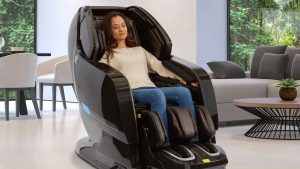
Massage chairs are designed to mimic the techniques used by professional masseuses, such as kneading, rolling, tapping, and shiatsu massage. These functions aim to stimulate blood circulation and relieve muscle stiffness in targeted areas like the back, neck, shoulders, and legs. When muscles become tight from stress-often due to increased muscle tension triggered by anxiety or poor posture-a massage chair reviews can provide much-needed relief through mechanical manipulation.
One of the primary benefits of using a massage chair for tight muscles is its ability to increase blood flow. Improved circulation helps deliver oxygen and nutrients to muscle tissues while facilitating the removal of metabolic waste products that accumulate during periods of stress-induced tension. This process aids in reducing inflammation and promoting faster recovery of sore or stiff muscles.
Furthermore, regular use of a massage chair may reduce cortisol levels-the hormone associated with stress-which indirectly contributes to muscle relaxation. Stress often causes involuntary tightening of muscles as part of the body’s fight-or-flight response; by encouraging relaxation through gentle pressure and rhythmic movements, these devices help counteract this physiological reaction.
Massage chairs also offer convenience that traditional massages may lack. They allow users to enjoy therapeutic benefits anytime within their own homes without scheduling appointments or incurring recurring costs related to professional services. For people juggling busy schedules or those who find it difficult to visit spas regularly due to mobility issues or other constraints, having access to an automated massager can be particularly advantageous.
However, it is important to note that while massage chairs provide symptomatic relief for muscular tightness linked with stress, they do not address underlying causes such as chronic anxiety or poor ergonomics at workstations. Incorporating lifestyle changes like regular exercise, proper hydration, stretching routines alongside ergonomic adjustments will yield more comprehensive long-term results.
In conclusion, massage chairs can be an effective tool for alleviating tight muscles resulting from stressful days by enhancing blood flow and promoting relaxation through mechanical stimulation. They serve as a practical addition within broader self-care strategies aimed at managing muscle tension but should be complemented with holistic approaches targeting both physical health and emotional well-being for optimal outcomes.